

When sourcing human hair extensions, buyers often come across terms such as Remy Hair and Braid Remy Hair. Although both can offer a smooth texture and a natural appearance, they are not exactly the same.
The main differences lie in how the hair is collected, how the hair direction is maintained or processed, and the overall quality and durability of the finished product.
Understanding these differences can help hair extension brands, salons, and wholesale buyers choose the right hair for their customers.
1. What Is Remy Hair?
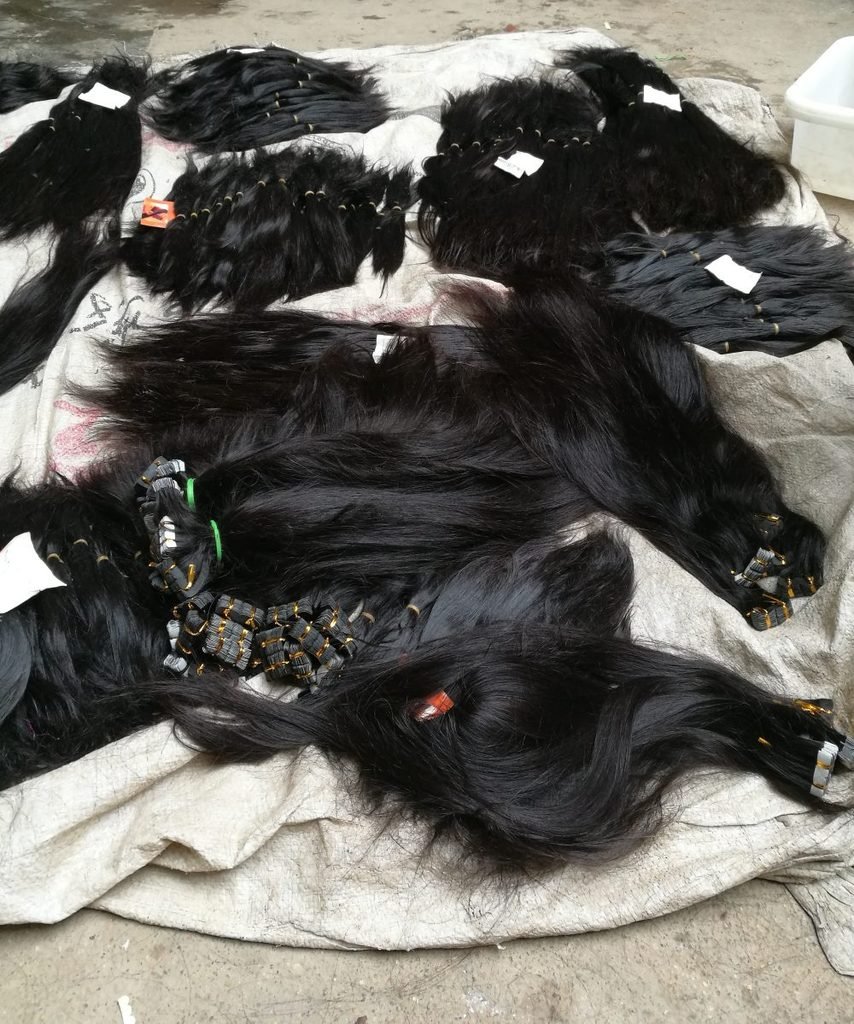
Remy Hair is made from 100% human hair. During processing, the hair is carefully sorted and rearranged using a specialized hair-aligning machine to reverse the original hair direction when necessary.
This process ensures that the roots and ends of the hair are aligned in the same direction, with the cuticles facing consistently.
By aligning the hair cuticles, Remy Hair can achieve a smooth texture and a soft feel similar to Braid Remy Hair.
Key Features of Remy Hair:
- Made from 100% human hair
- Hair strands are mechanically aligned in the same direction
- Cuticles face consistently, helping reduce friction between strands
- Smooth texture and a natural feel
- Less prone to tangling compared with hair with mixed directions
- A more affordable option for buyers looking for good quality human hair
Remy Hair is a practical choice for brands and wholesalers who want a balance between hair quality and cost.
2. What Is Braid Remy Hair?
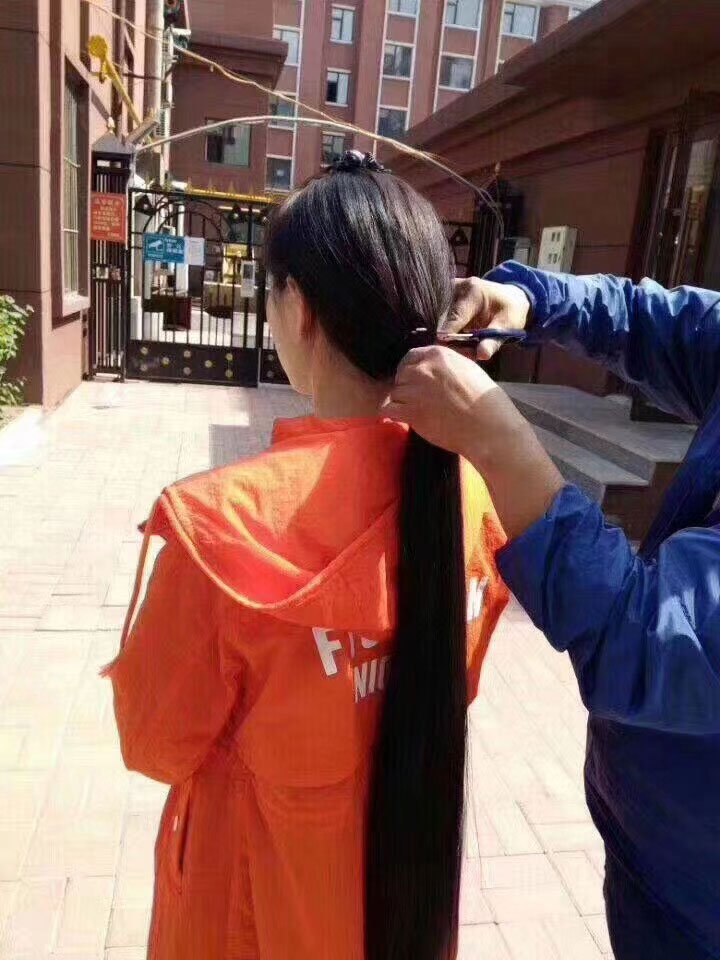
Braid Remy Hair is collected directly from donors’ heads, usually by cutting the hair while it is still tied or braided into a ponytail.
This collection method helps preserve the hair’s original root-to-tip direction. The roots and ends are kept together rather than mixed, so the natural cuticle direction remains intact.
Braid Remy Hair is often sourced from young donors and carefully selected for its natural quality. Because the hair is collected in its original direction, it generally retains better natural elasticity, softness, and strength.
Key Features of Braid Remy Hair:
- Collected directly from donors’ heads
- Original root-to-tip direction is preserved
- Hair roots and ends are not mixed
- Naturally smooth and soft texture
- Better natural elasticity and strength
- Suitable for professional coloring and bleaching when the hair quality and processing condition allow
- Longer-lasting with proper care
Braid Remy Hair is a premium choice for customers who prioritize natural hair quality, styling flexibility, and long-term use.
3. Remy Hair vs. Braid Remy Hair: Key Differences
Although both types of hair have aligned cuticles and can provide a smooth, natural feel, their raw material collection and processing methods are different.
| Comparison | Remy Hair | Braid Remy Hair |
|---|---|---|
| Raw material | 100% human hair | Hair collected directly from donors |
| Collection method | Hair is collected and sorted, then mechanically aligned | Hair is cut directly from donors, usually in a ponytail or braid |
| Hair direction | Re-aligned during processing | Original direction is preserved |
| Cuticle direction | Mechanically aligned | Naturally aligned |
| Texture | Smooth and soft | Naturally smoother and softer |
| Elasticity | Good | Generally better |
| Tangling | Less prone to tangling | Less prone to tangling with proper processing and care |
| Coloring | Depends on hair quality and processing | Generally more suitable for professional bleaching and coloring |
| Durability | Good with proper care | Generally longer-lasting |
4. Which One Is Better for Hair Extensions?
The right choice depends on your target market, product positioning, and customers’ expectations.
Choose Remy Hair if:
- You need a cost-effective human hair option
- Your customers want a smooth and natural feel
- You are developing products for the mid-range market
- You want to balance quality and purchasing cost
Choose Braid Remy Hair if:
- You are targeting the premium hair extension market
- Your customers expect excellent softness and natural movement
- You need hair with better natural elasticity and styling flexibility
- Long-term durability is an important selling point
5. How Long Does Braid Remy Hair Last?
With proper care, natural-color Braid Remy Hair can typically last around 1–3 years, or even longer, depending on the original hair quality, installation method, frequency of use, and maintenance routine.
Because its original hair direction is preserved, high-quality Braid Remy Hair can maintain a smooth texture and natural movement over time.
To extend its lifespan, we recommend:
- Use professional, sulfate-free hair care products
- Brush gently, starting from the ends and working upward
- Avoid excessive heat styling
- Use professional colorists for bleaching or chemical treatments
- Keep the hair properly conditioned and moisturized
Please note that bleaching, frequent heat styling, and improper care can shorten the lifespan of any human hair extensions.
6. Choose the Right Hair Quality for Your Business
Both Remy Hair and Braid Remy Hair have their own advantages. Remy Hair offers a practical balance between smoothness and cost, while Braid Remy Hair provides a more natural premium option with better overall hair performance.
For hair extension brands, salons, and wholesale distributors, understanding the difference is essential when selecting products for different customer groups.
At IdealGirlHair, we offer human hair solutions for professional buyers, with options to meet different quality requirements and business needs.
Looking for a reliable human hair supplier?
Contact our team to discuss your product requirements, hair quality options, and OEM or private label needs.

